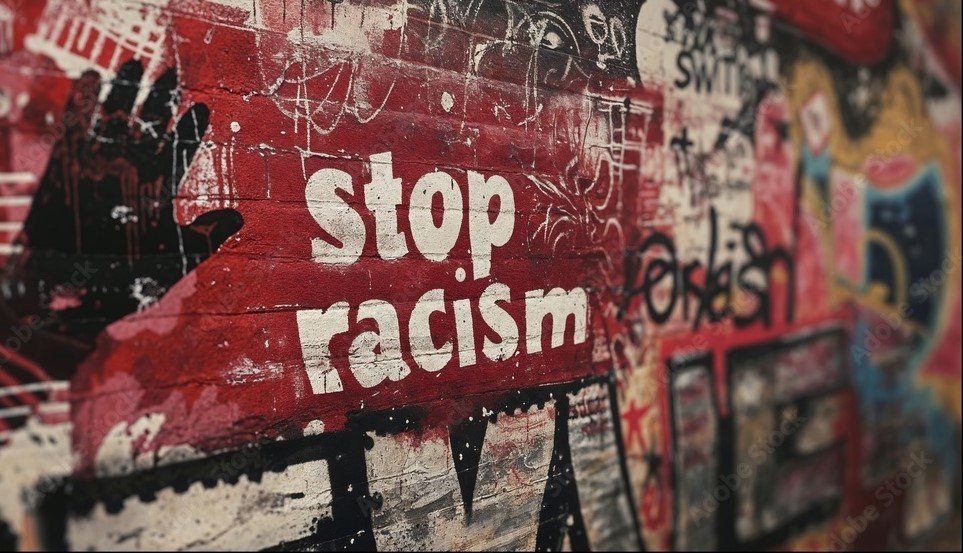
We are one of the most experienced anti-racism organisations in the UK. Our core objective is the eradication of racial discrimination and exploitation. Our lived experience shows that this can be achieved by transforming our society where peace and justice are foundations of a permanent reality.
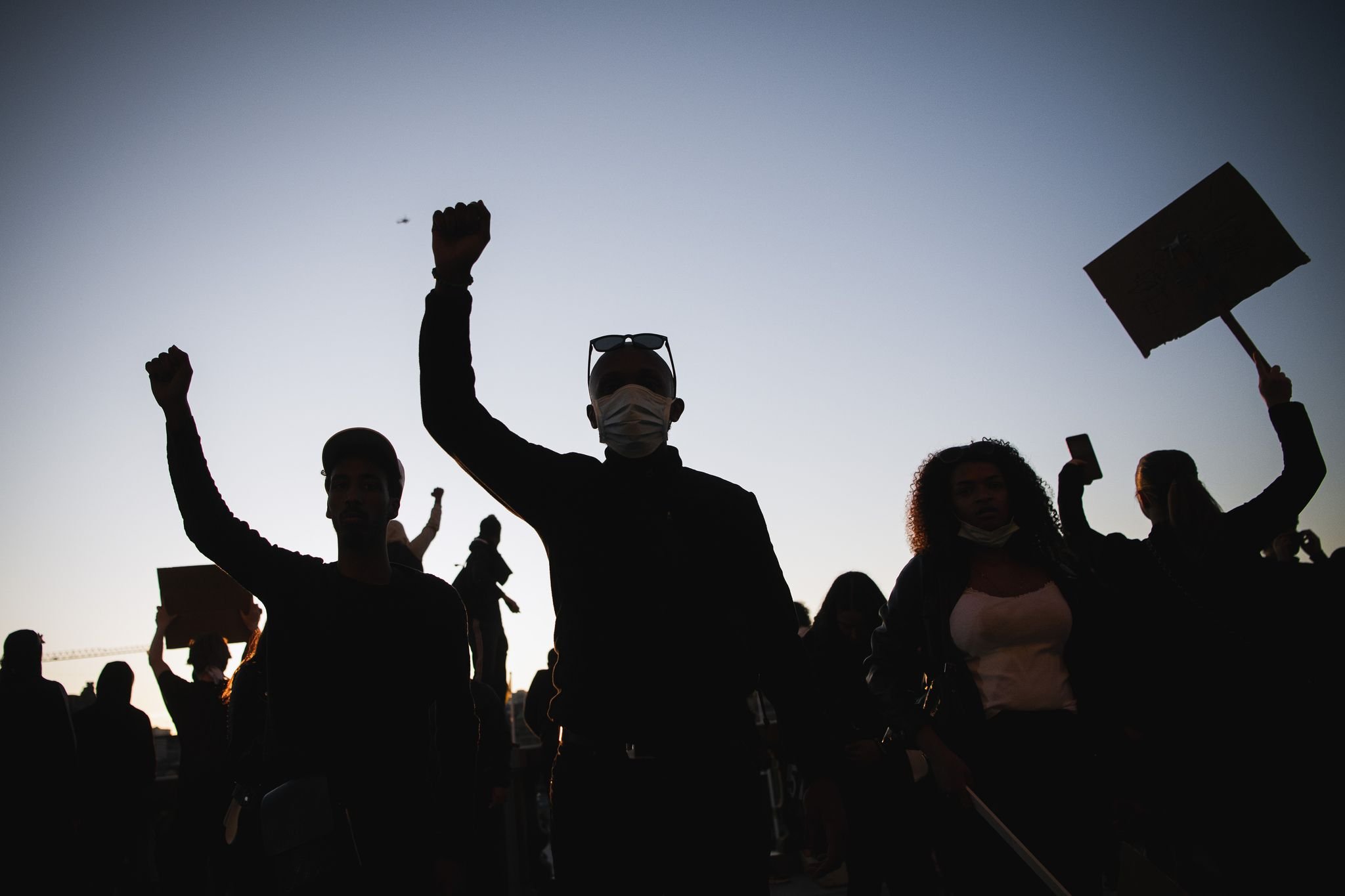
Combating racism and systems of oppression
Our organisational work is centred on the fight against racial injustice, giving grassroots and national representation to those adversely affected by racial discrimination, hatred and violence. We advocate for victims of institutional racism and engage with other agencies to achieve a just outcome for our clients. We assist migrant and refugee communities at the sharp end of state and street racism.
Over four decades The Monitoring Group has been at the heart of a number of public interest family campaigns where loved ones have been killed by the police. In some cases it is referred to as a “death in custody”. The victims have been largely African, Caribbean and Asian people. We have helped in circumstances where visible minorities have been targeted and murdered by individuals because of the colour of their skin and where institutional racism within the police and judiciary has been a barrier to securing a conviction.
We are involved in a complex range of activities, which include:
As core participants in the UK’s Undercover Policing Inquiry, liaising with groups and individuals similarly affected, seeking full accountability and assessing the impact on our organisation.
Setting up an Independent Commission of Inquiry into the violence that occurred in the city of Leicester, East Midlands in 2022.
The monitoring Group builds and develops knowledge and understanding of systems and structures that support and perpetuate racism through research and the collection of data.
Report your experience of racism

If you have or are currently experiencing racism, you can report it now by completing the form below.
Building campaigns for justice with bereaved families
“We have every right to ask for justice - same as everybody else. I know my race, my colour, my religion, my caste all played a big part in this case. I was treated like a second class citizen”.
Sukhdev Reel, mother to Ricky Reel
“It's not that I'm a bad person seeking this kind of justice - it's the law that says if one has committed a criminal offence, particularly the death of somebody else, they have to go through the justice system”.
Alina Joseph, Christopher Kapessa’s mother
The Monitoring Group with its National Coordinator and founder Suresh Grover has led a number of campaigns to help the families of Ricky Reel, Christopher Kapessa, Zahid Mubarek, Victoria Climbie, Stephen Lawrence and others. We support the work of the United Family and Friends Campaign(UFFC) and their annual rally that takes place every October in Central London. Since 1999, bereaved families and others affected by deaths at the hands of UK police and other custodial services gather in solidarity. The group assembles at Trafalgar Square and marches to Downing Street to deliver a letter to the MPs, listing the names of deaths at the hands of the police that have not been explained.

Ricky Reel's body was found in the River Thames in 1997 after a racist attack. He was 20-years-old at the time.

Sukhdev Reel, Ricky's mother, has spent the last 25 years campaigning for answers surrounding her son's death..
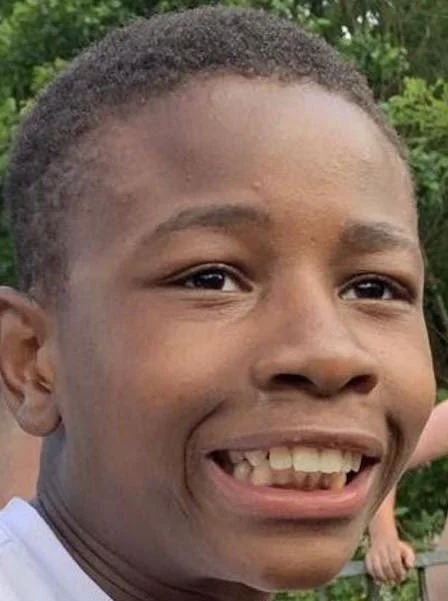
Black Welsh boy Christopher Kapessa aged 13, was killed after being deliberately pushed into the River Cyon on July 1, 2019 by Jayden Pugh, 14 .

Christopher's mother, Alina Joseph and supporters have cited institutional racism for the decision not to prosecute after the killing of Christopher.
Podcast: What are the costs of fighting for change in an unjust world?
In 1993, Black British teenager Stephen Lawrence was murdered in a racist attack that sparked a long fight for justice and led the UK to ask questions of itself and its institutions. Three decades on – with The Runnymede Trust’s Shabna Begum, and Suresh Grover of The Monitoring Group – Karis Campion of the Stephen Lawrence Research Centre hosts this special episode to ask: who are we now? What happened to anti-racist solidarity and how can it progress?
Karis and guests reflect on the fragmentation of “political blackness”, “monitoring” as a radical act inspired by The Black Panther Party, and the importance of showing systemic racism while doing justice to individual lives. Plus: what does social media offer to anti-racism when the internet provides fertile ground for prejudice? And what are the costs of fighting for change in an unjust world?
With reference to the activist writer Ambalavaner Sivanandan, the feminist scholar Audre Lorde, the social geographer Ruth Wilson Gilmore, and more. A collaboration between the Stephen Lawrence Research Centre and The Sociological Review.
(May 19, 2023)

Listen up.
New: Launch of Nottingham Solidarity Network
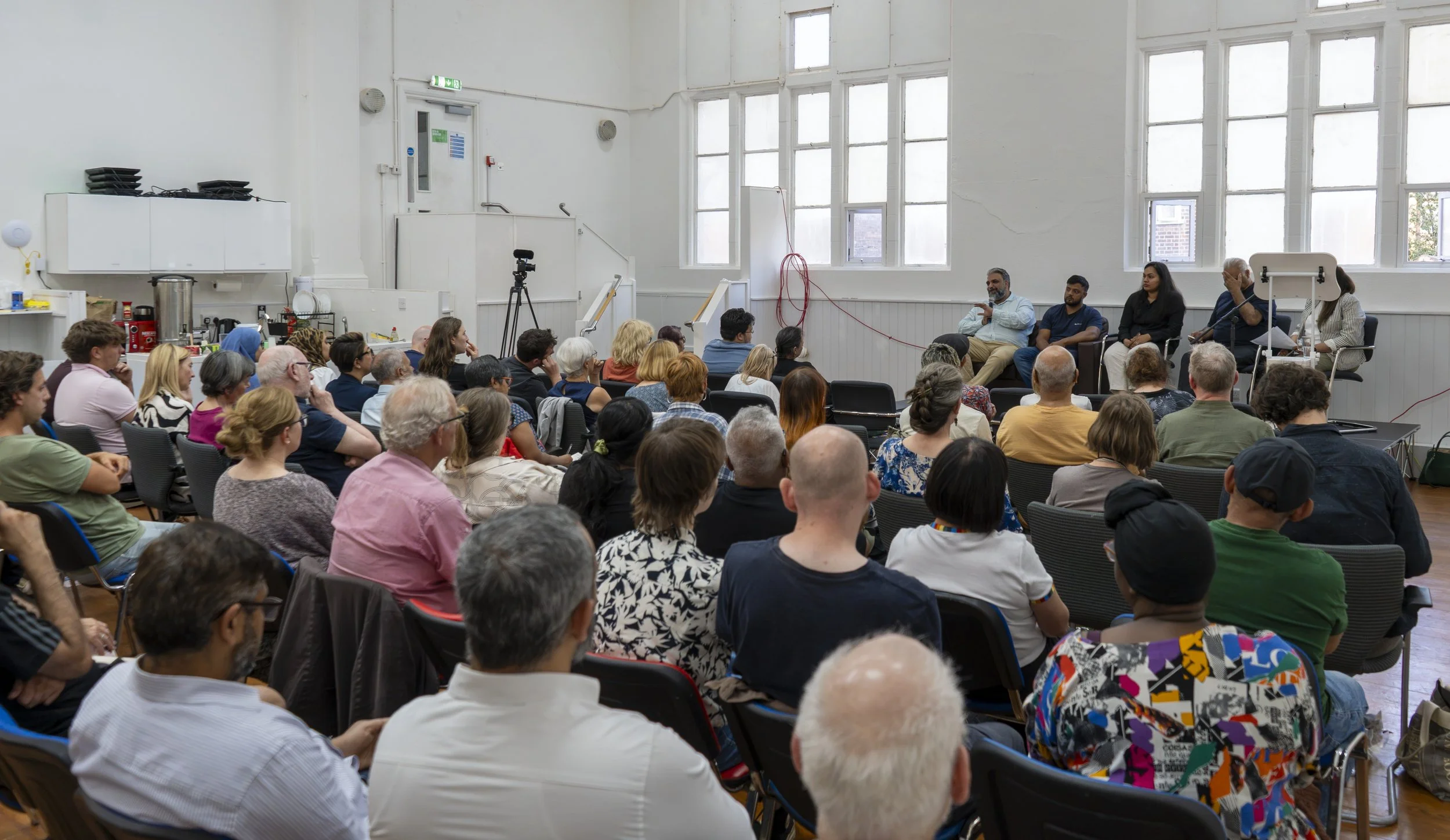
It was great to welcome more than 90 people from across Nottinghamshire for the recent launch of The Monitoring Group’s Nottingham Solidarity Network, writes Rohan Patel, a Community Organiser for the UK charity . The successful event brought together community organisations, campaigns, trade unions, faith groups and local residents for an evening of discussion about solidarity, organising and how we respond collectively to the challenges facing our communities. Read more here
Left, Suresh Grover, The Monitoring Group’s National Coordinator and founder, speaking at the launch of the Nottingham Solidarity Network event.